
“It is 9 in the morning, you have not stepped outside yet, and your shirt is already sticking to your back.”
If you have ever stood in front of a full wardrobe and still felt like you had nothing cool enough to wear, you already know how badly fabric choice matters in summer. Not every piece of clothing is made the same way, and when the heat gets serious, the wrong fabric can make a normal day feel unbearable.
Most people end up choosing between two options: linen and cotton. Both come from natural sources, both have been around for centuries, and both have earned a permanent place in summer dressing. But they work differently on your skin, they age differently, and they suit different occasions. Picking the right one actually makes a difference in how you feel through the day.
This guide walks through everything you need to know about linen vs cotton fabric for summer, so you can make a choice that works for your lifestyle, your budget, and your wardrobe.
What Exactly Are These Two Fabrics?
About linen fabric
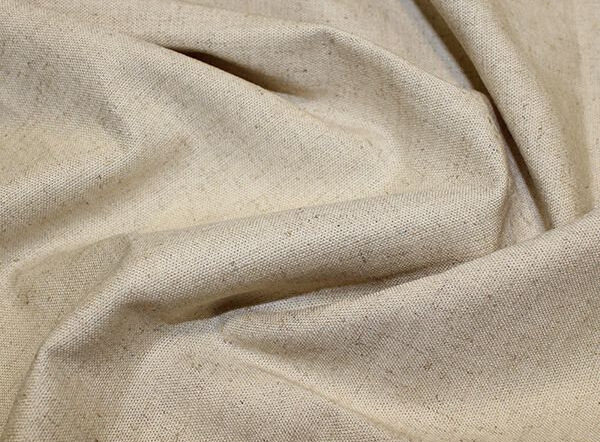
Linen comes from the fibers of the flax plant and is one of the oldest fabrics in the world. For a long time it was seen as a fabric for older generations or very formal wear, but that has completely changed. Today linen is everywhere, from street style to office wear to resort fashion. With sustainable clothing growing in demand, linen fabric manufacture in India has also picked up significantly. More brands are now sourcing from Indian linen fabric suppliers because the quality has improved and the pricing is competitive.
About cotton fabric
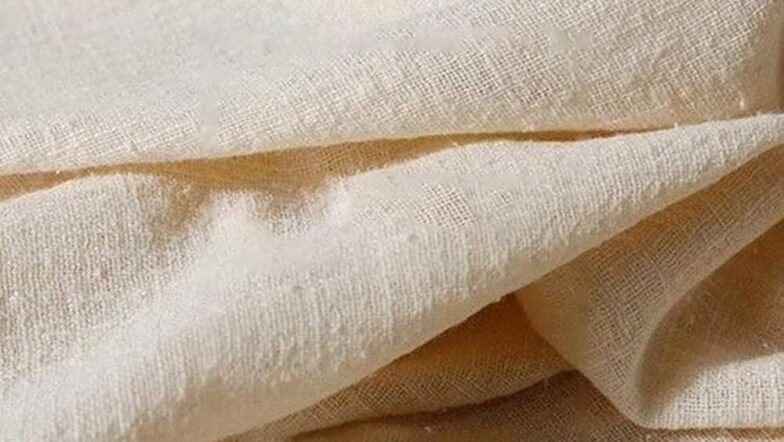
Cotton is the most widely used natural fiber in the world, and for good reason. It is soft from day one, available in hundreds of weave styles, easy to care for, and fits almost every budget. Whether it is a simple white tee or a formal poplin shirt, Cotton is the backbone of most people’s everyday wardrobe. It is familiar, reliable, and genuinely comfortable.
Linen vs Cotton: A Real Comparison
Breathability
This is where linen really pulls ahead. Linen fibers have a hollow structure, which means air moves through the fabric much more freely. It can absorb moisture up to 20 percent of its own weight and then release it quickly, so you stay drier even in serious heat. Cotton breathes well too, especially in lighter weaves like voile or chambray, but once it gets wet with sweat, it tends to hold that moisture against your skin. As a breathable fabric for hot weather, linen is the stronger option.
Comfort
Cotton wins when it comes to first-wear softness. You put it on and it feels good immediately. Linen starts out a bit stiff and textured. It does soften with every wash, and many people find that well-worn linen is actually more comfortable than cotton over time. Linen is also naturally hypoallergenic and antibacterial, which makes it a good choice for people with sensitive skin. So for cotton vs linen comfort, cotton is better out of the box, but linen rewards patience.
Durability
Linen is significantly stronger than cotton as a fiber. A good quality linen shirt, if taken care of properly, can last you ten to fifteen years without losing its shape or feel. Cotton does hold up well too, but repeated washing gradually weakens the fibers. If you are spending money on pieces you want to wear for years, linen gives you more value in the long run.
Cost
Cotton is more affordable and easy to find at every price point. Linen costs more upfront, though prices have come down as linen fabric manufacture in India and other countries has grown. Think of quality linen as an investment rather than an expense. The cost per wear over its lifespan works out very reasonably.
Maintenance
Cotton is easy. Machine wash, tumble dry, done. Linen needs a little more care. Cool water wash, air drying, and light ironing if you want it crisp. That said, the relaxed, slightly wrinkled look of linen is widely accepted as part of its style. Many people skip the iron entirely and it still looks good. Cotton is more practical for daily casual use; linen suits those who do not mind a small amount of extra care.
Quick Comparison Table
| Feature | Linen | Cotton | Winner |
| Breathability | Very good, hollow fibers allow strong airflow | Good, varies by weave thickness | Linen |
| Softness from day one | Slightly stiff at first | Soft and comfortable from the start | Cotton |
| Durability | Very high, lasts many years | Moderate, weakens over time | Linen |
| Price | Higher upfront cost | Budget friendly and widely available | Cotton |
| Maintenance | Gentle wash, air dry preferred | Machine washable, very easy care | Cotton |
| Moisture release | Absorbs and dries quickly | Absorbs well but holds moisture longer | Linen |
| Eco impact | Low water usage, fully biodegradable | Conventional cotton uses heavy water | Linen |
| Skin sensitivity | Naturally hypoallergenic | Gentle, especially organic varieties | Tie |
| Bulk availability in India | Growing fast, many reliable suppliers | Widely available across all grades | Tie |
Pros and Cons of Each Fabric
Linen: What Works
- Keeps you genuinely cool in heat
- Gets softer with every wash
- Lasts years with basic care
- Good for sensitive skin
- Eco-friendly and sustainable
- Looks polished with minimal effort
Linen: What to Watch Out For
- Wrinkles very easily
- Higher upfront cost
- Needs gentler washing
- Takes time to break in
Cotton: What Works
- Comfortable from the first wear
- Very easy on the pocket
- Machine washable, zero fuss
- Comes in endless styles and weaves
- Gentle on all skin types
- Holds color and print very well
Cotton: What to Watch Out For
- Holds sweat against skin when wet
- Not as long lasting as linen
- Conventional farming uses a lot of water
- Feels heavy in high humidity
Tips for Choosing the Right Fabric This Summer
Check the weave, not just the fabric name
A heavy cotton twill will feel much hotter than a lightweight linen shirt. Always look at how thick or open the weave is before buying, not just the fiber type on the label.
Do not fight the linen wrinkle
Linen wrinkles are part of how it looks now. You do not need to iron it flat every time. A light steam or just hanging it after washing is usually enough. The relaxed look is on trend for a reason.
Try a linen cotton blend if you cannot decide
A blend of around 55 percent linen and 45 percent cotton gives you better airflow than pure cotton but softer feel than pure linen. It is a smart middle ground, especially if you are new to wearing linen.
Lighter colors make any fabric cooler
Whether you pick linen or cotton, wearing whites, creams and light pastels in summer genuinely helps. Dark colors absorb heat; light colors reflect it.
Source consciously when you can
With linen fabric manufacture in India growing and more ethical linen fabric suppliers entering the market, it is now easier to find well-made, responsibly sourced linen at fair prices. Worth looking for when building a wardrobe you want to keep for years.
Final Verdict
Both fabrics have a place in a good summer wardrobe. The question is knowing when to reach for which one. If you want the best fabric for summer heat and humidity, and you are looking for something to wear to work, on trips, or to any situation where you want to look decent without sweating through your clothes, linen is the better pick. It handles heat well, lasts long, and looks good without much effort. The linen vs cotton benefits become very clear once you have actually worn linen through a hot afternoon.
Cotton is better when you want something soft, affordable, easy to wash, and completely fuss-free. For everyday casual use, kids clothing, or beach days, cotton is the more practical choice.
A summer wardrobe that mixes both gives you the best of both worlds. Use linen when comfort and appearance both matter. Use cotton when ease and affordability are the priority.
Frequently Asked Questions
1. Is linen actually cooler than cotton in summer?
Yes, in most conditions linen is cooler. The fibers allow much better airflow and the fabric releases moisture from your skin faster than cotton does. In humid climates especially, this makes a noticeable difference throughout the day.
2. What are the main linen vs cotton benefits to know before buying?
Linen is stronger, more breathable, and more eco-friendly than cotton. Cotton is softer out of the box, more affordable, and much easier to maintain. For summer specifically, linen’s ability to keep you cool in heat and humidity is the biggest advantage it has over cotton.
3. How should I wash linen clothing to make it last?
Wash linen in cool or lukewarm water on a gentle cycle, use a mild detergent, and let it air dry instead of using a dryer. Iron it while it is still slightly damp if you want a clean finish, or just let it dry naturally for the casual textured look. With basic care, good linen can easily last ten to fifteen years.
4. Where is linen fabric manufactured in India?
India has grown into a notable producer of linen fabric, with manufacturing concentrated in states like West Bengal, Maharashtra, and Tamil Nadu. Indian linen fabric suppliers now serve both domestic fashion brands and export markets, and the quality has improved significantly over the past decade alongside competitive pricing.
5. What is the best fabric for summer in very humid weather?
For humid conditions like coastal India, Southeast Asia, or anywhere during monsoon season, linen is the better choice among natural fabrics. It releases absorbed moisture quickly so you avoid the heavy, clingy feeling that cotton causes when humidity is high. A lightweight linen or linen cotton blend in a loose cut is the most comfortable option.

Write a comment
Your email address will not be published. Required fields are marked *